Runtime Doesn't Lie: The Hidden Language of Missing Footage

Photo: Pen vs Sword, CC BY-SA 4.0, via Wikimedia Commons
You pull up a movie on your favorite streaming platform. You remember it running close to two and a half hours when you saw it in theaters. But the runtime listed on screen says 2:17. You shrug. Maybe you misremembered.
You didn't.
Welcome to one of the quietest, most persistent games in the entertainment industry — the strategic disappearance of footage that studios would rather you forget existed. At LETT206, we're wired to notice the signals that don't quite add up. And runtime discrepancies? They're basically a distress beacon hiding in plain sight.
The Numbers Always Leave a Trail
Here's the thing about film runtimes: they're not arbitrary. Every minute of finished footage costs money to produce, license, and store. So when a version of a film on Peacock runs four minutes shorter than the same title on physical Blu-ray, that gap didn't happen by accident. Something got cut. The question is why.
Runtime variations across platforms are more common than most casual viewers realize. A quick cross-reference of streaming listings against the Internet Movie Database, physical release specs, or international theatrical records will often surface discrepancies of anywhere from 90 seconds to — in more extreme cases — upward of 30 or 40 minutes. The longer the gap, the deeper the story buried inside it.
Detective viewers have been doing this comparison work for years, quietly building spreadsheets and forum threads that document exactly which platforms are serving which cuts. It's a niche hobby that reads almost like decryption work — and honestly, that's exactly what it is.
Why Would a Studio Cut Its Own Movie?
The reasons stack up fast once you start digging.
Licensing agreements are probably the most boring explanation, but they're also one of the most common. When a studio licenses a film to a streaming platform, the deal sometimes comes with content restrictions baked in. Music clearances are a classic culprit — a scene built around a specific song might get excised entirely if the streaming deal doesn't include rights to that track. The scene didn't vanish because anyone hated it. It vanished because a music publisher wasn't paid.
Ratings compliance is another pressure point. A director's cut that earned an R rating in theaters might get quietly trimmed to secure a TV-14 or PG-13 equivalent for broader streaming distribution. Studios rarely announce these edits. They just swap in a different file and update the metadata.
Creative disputes are where things get genuinely messy. The ongoing tension between directors and studios over final cut rights has produced some of the most famous buried versions in film history — Ridley Scott's Blade Runner alone has spawned multiple distinct cuts across different release windows. When a director loses the final cut battle, the version that survives on mainstream platforms often reflects studio interference more than artistic intent. The director's preferred version might exist on a limited boutique Blu-ray, or in a film festival vault, or nowhere accessible at all.
Cost of restoration also plays a role. Longer cuts sometimes require additional color grading, audio mixing, or digital cleanup work before they're suitable for streaming delivery. If a studio doesn't see financial upside in funding that work, the extended footage simply doesn't make it into the streaming pipeline.
How to Spot the Edits Yourself
You don't need insider access or a film school degree to start reading these signals. A few straightforward habits will get you a long way.
Start with runtime comparison. Before you watch anything, check the listed runtime on the streaming platform against the theatrical runtime on IMDb or a physical release database like DVDCompare.net. A gap of more than two minutes is worth investigating. A gap of five or more minutes is practically a flashing light.
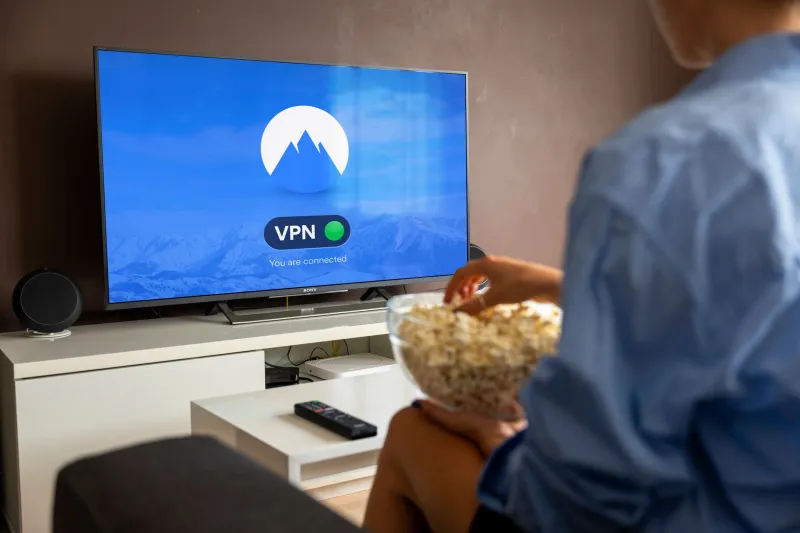
Next, check region variations. The US streaming cut of a film is sometimes shorter than the version available in the UK, Australia, or Germany. International theatrical requirements, different rating systems, and separate licensing arrangements mean that the "same" movie can exist in meaningfully different forms depending on where the file was packaged. VPN-equipped viewers have been exploiting this for years.
Physical media remains the gold standard for complete cuts. Studios have less incentive to trim Blu-ray releases because the audience buying physical media tends to be enthusiast-level — people who will actually notice and complain. Streaming audiences, by contrast, are more passive and less likely to cross-reference what they're watching against a reference database. Studios know this.
Finally, director commentary tracks and interviews are underrated intelligence sources. When a director mentions a scene in an interview that you can't locate in the streaming version, you've just confirmed an edit. It's basically a confession left on record.
The Director's Cut Problem
The phrase "director's cut" gets thrown around loosely, but it has real meaning — and real financial stakes attached to it. When a director's preferred version of a film is substantially longer or tonally different from the theatrical release, studios face a choice: invest in properly releasing that version, or let it sit in a vault while the trimmed cut earns streaming revenue.
More often than you'd expect, they choose the vault.
Some famous examples have broken through. Zack Snyder's extended cut of Justice League only materialized after a sustained, years-long fan campaign that essentially forced Warner Bros.' hand. David Fincher's preferred cut of The Girl with the Dragon Tattoo has never received a proper wide release. Richard Donner's version of Superman II was buried for decades before a limited physical release finally surfaced it.
For every one of those that makes it out, there are dozens that don't. They exist in licensing limbo, or they're locked behind studio politics, or they simply haven't generated enough fan noise to justify the investment.
Reading the Signal
What makes runtime discrepancies interesting from a LETT206 perspective isn't just the conspiracy angle — though that's genuinely compelling. It's the idea that studios are constantly broadcasting information about their own internal conflicts and financial calculations through the very products they release. The runtime is a code. The platform variation is a clue. The missing scene is a message.
You just have to know how to read it.
Next time you queue something up, take thirty seconds to check the listed runtime against a reference source. If the numbers don't match, you're not looking at a movie. You're looking at a transmission with something redacted.
And now you know how to ask what got cut out.